Commercial Asphalt Sealing vs. Resurfacing: What’s the Difference
Commercial asphalt sealing helps protect and extend the life of pavement, while local contractors can determine if sealing or resurfacing best suits your needs.
Understanding the differences between commercial asphalt sealing and resurfacing is an important step for property owners looking to maintain or improve their asphalt surfaces. Whether managing a parking lot, driveway, or other paved areas, making informed decisions can help extend the lifespan of asphalt and keep it looking professional. This guide provides practical insights into each service, helping property owners in the area determine which approach best suits their needs. Local contractors specializing in asphalt maintenance and repair offer these services to help keep commercial properties safe, functional, and visually appealing.
Asphalt sealing and resurfacing serve distinct purposes, each suited to different conditions and goals. Commercial asphalt sealing involves applying a protective coating to the surface, which can help prevent damage from weather and traffic. Resurfacing, on the other hand, involves removing and replacing the top layer of asphalt to address more significant wear and deterioration. Property owners exploring this topic can benefit from understanding these differences, especially when considering how local service providers can assist with sealing projects that preserve and protect existing asphalt. Keep reading to learn more about how these services compare and how they can support the ongoing maintenance of commercial asphalt surfaces.
- Parking lot sealing - when surface protection is needed to extend the lifespan of existing asphalt, local contractors use sealing to fill cracks and prevent water damage.
- Driveway sealing for commercial properties - for businesses seeking to maintain a professional appearance, local service providers apply sealers to preserve asphalt surfaces.
- Surface maintenance for aging asphalt - when asphalt shows signs of wear but doesn’t require full replacement, local pros perform sealing to improve durability and appearance.
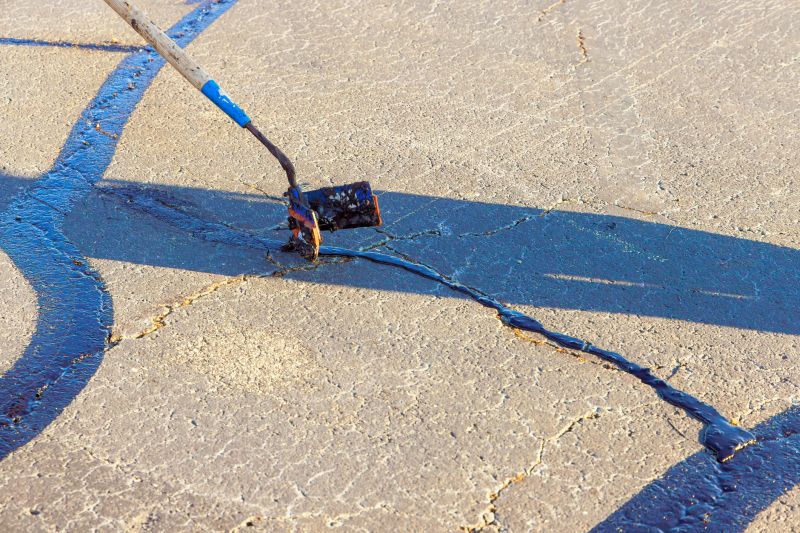
- Crack filling and surface preservation - to prevent further deterioration, local contractors prioritize sealing cracks and applying protective coatings on commercial asphalt surfaces.
- Preventative asphalt care - for ongoing maintenance, local pros recommend sealing to protect asphalt from weather-related damage and extend its functional life.
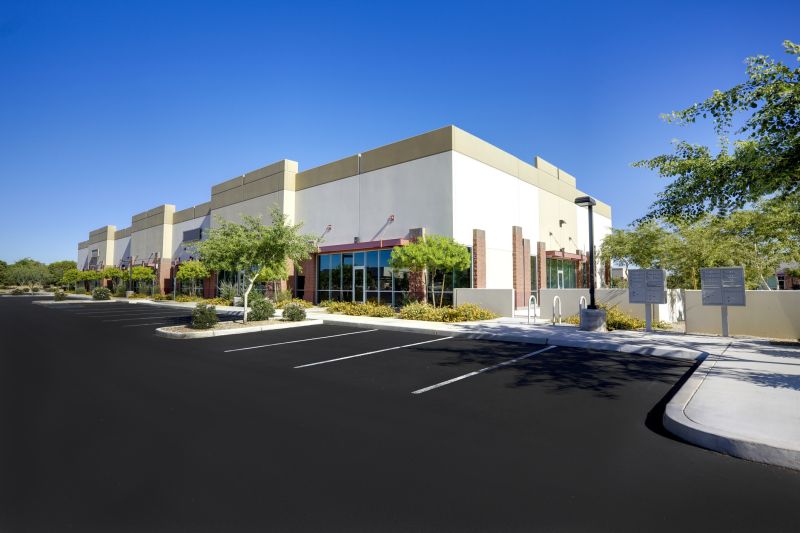
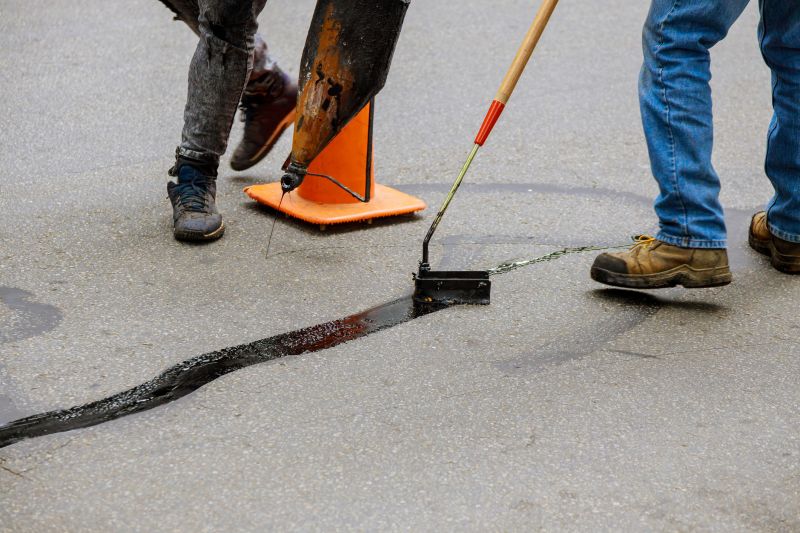
When homeowners or property managers search for information about commercial asphalt sealing versus resurfacing, they are typically trying to understand which approach best suits their needs for maintaining or improving their parking lots, driveways, or other paved surfaces. The core concern often revolves around preserving the integrity and appearance of the asphalt, preventing deterioration, and extending the lifespan of the pavement. These searches are usually linked to plans for routine maintenance, addressing existing damage, or preparing a property for sale or new tenants. Understanding the difference helps property owners make informed decisions about how to protect their investment and ensure safety for visitors, employees, or residents.
Commercial asphalt sealing generally refers to applying a protective coating over existing asphalt surfaces. This process is meant to seal small cracks, prevent water infiltration, and shield the pavement from damaging elements like UV rays, oil, and chemicals. It is a common solution for properties that still have a solid base but need to enhance their appearance and durability. Resurfacing, on the other hand, involves removing the top layer of asphalt and replacing it with a new layer. This method is often considered when the existing pavement has extensive damage such as large cracks, potholes, or significant surface deterioration. Resurfacing addresses underlying issues more thoroughly and can restore a surface to a like-new condition, making it suitable for properties with more severe problems.
The types of properties that typically come up in discussions of commercial asphalt sealing and resurfacing include parking lots for retail centers, office complexes, apartment complexes, and industrial facilities. These properties usually have high traffic volumes that accelerate wear and tear on the pavement. Owners of these properties often seek regular sealing to maintain a professional appearance and prevent minor damages from worsening. In cases where the asphalt has already experienced significant cracking, raveling, or structural issues, resurfacing becomes a more appropriate solution. Local contractors specializing in commercial asphalt services can evaluate the condition of the pavement and recommend the most effective approach based on the property’s specific needs.
Understanding the differences between commercial asphalt sealing and resurfacing helps property owners plan for long-term pavement health. Sealing is typically a cost-effective way to extend the life of an asphalt surface that is still in good condition, while resurfacing provides a more comprehensive repair for surfaces with extensive damage. Local service providers can assess the current state of the pavement and advise on the best course of action. Whether it’s routine sealing or complete resurfacing, working with experienced contractors ensures that the project aligns with the property’s maintenance goals and helps preserve the functionality and appearance of the paved areas.
Paving Repair Projects - These involve fixing cracks, potholes, and surface damage, requiring similar planning and surface preparation skills as asphalt sealing and resurfacing.
Parking Lot Maintenance - Maintaining commercial parking areas often includes sealing or resurfacing to extend pavement life and improve appearance, utilizing comparable tools and techniques.
Driveway Restoration - Restoring residential or commercial driveways involves surface assessment and preparation, aligning with the skills used in asphalt sealing and resurfacing projects.
Industrial Pavement Services - Large-scale industrial pavements require planning, surface evaluation, and repair, which are relevant to the processes involved in sealing and resurfacing work.
Line Striping and Marking - Applying traffic markings on asphalt surfaces complements sealing and resurfacing projects by requiring surface preparation and precise application skills.
Sealcoat Application for Walkways - Applying sealcoat to pedestrian pathways involves similar surface cleaning and coating techniques as commercial asphalt sealing, often handled by the same local contractors.
When comparing contractors for commercial asphalt sealing services, it’s important to evaluate their experience with similar projects. An experienced service provider will have a solid understanding of the specific requirements involved in sealing commercial asphalt surfaces, including the size and complexity of the area, weather considerations, and the appropriate materials to use. By reviewing a contractor’s portfolio or requesting references for comparable work, property owners can gain confidence that the professional has successfully handled projects similar to their own, reducing the risk of issues down the line.
Clear written expectations are essential when choosing a contractor for commercial asphalt sealing. A reputable service provider should be able to provide a detailed scope of work, outlining the process, materials, and any preparation or maintenance that may be needed. This clarity helps ensure that both parties are aligned on what the project entails, minimizing misunderstandings and making it easier to assess whether the contractor’s approach matches the property owner’s goals. Good communication throughout the project also allows for questions or adjustments, fostering a smoother experience.
Reputable references and effective communication are key indicators of a reliable contractor. Property owners should seek out local service providers who can offer references from previous clients, especially those with similar commercial properties. This feedback can reveal insights into the contractor’s professionalism, workmanship, and ability to meet deadlines. Additionally, a contractor who communicates clearly and promptly demonstrates a commitment to transparency and customer service, which can make the process of choosing between sealing and resurfacing options more straightforward. Ultimately, these qualities contribute to a successful project outcome aligned with the property owner’s needs.
Property owners often search for commercial asphalt sealing vs. resurfacing: what’s the difference when they are planning practical projects around their homes and businesses. Local pros provide Commercial Asphalt Sealing services for everyday jobs and straightforward project options.
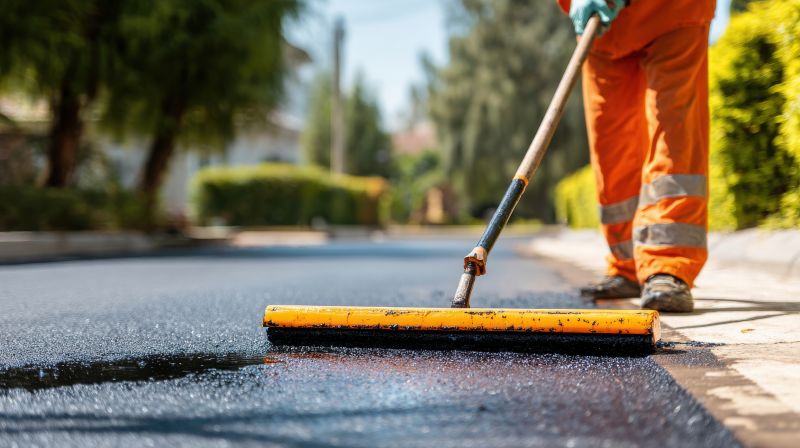
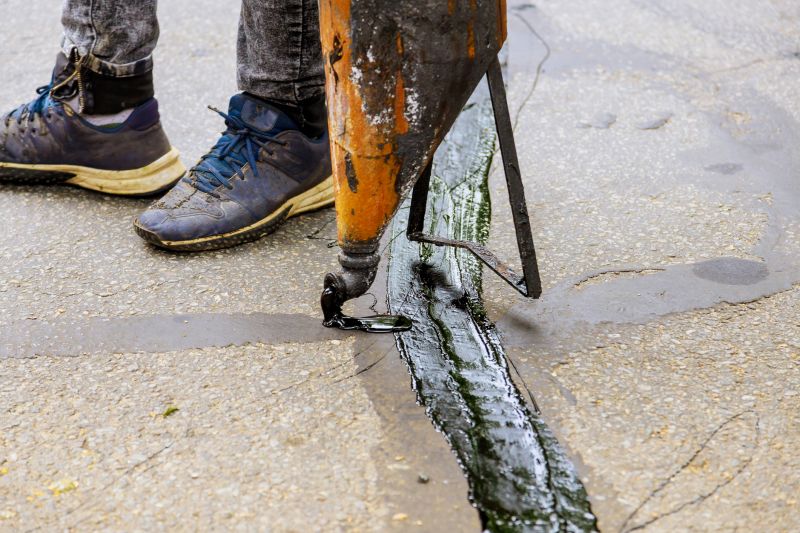
Understanding the difference between commercial asphalt sealing and resurfacing is a common concern for property owners managing parking lots, driveways, or other paved areas. When dealing with cracks, fading, or surface wear, many look up this topic to determine the best solution for maintaining a professional appearance and extending the lifespan of their asphalt. Commercial asphalt sealing is often considered a simple maintenance step that involves applying a protective coating to the existing surface, helping to prevent damage from water, UV rays, and everyday wear. On the other hand, resurfacing involves removing the top layer of asphalt and replacing it with a new layer, which may be necessary when the existing surface is heavily damaged or deteriorated.
Property owners in the area seeking to make informed decisions about asphalt care might explore these options to avoid costly repairs or premature replacement. Local contractors specializing in commercial asphalt sealing can assess the current condition of a paved surface and recommend whether sealing is sufficient or if resurfacing is needed. Sealing is a straightforward way to preserve the integrity of the asphalt and improve curb appeal, while resurfacing provides a more extensive solution for more significant damage. Connecting with experienced service providers can help property owners choose the right approach based on their specific project needs and ensure the longevity of their asphalt surfaces.
What is the main difference between commercial asphalt sealing and resurfacing? Commercial asphalt sealing involves applying a protective coating to the existing asphalt surface to prevent damage, while resurfacing replaces the old asphalt with a new layer for more extensive repairs.
When should a business consider asphalt sealing instead of resurfacing? Asphalt sealing is suitable for maintaining and protecting an existing asphalt surface that is still in good condition, whereas resurfacing is needed if there are significant cracks, potholes, or deterioration.
Can commercial asphalt sealing be a substitute for resurfacing? No, sealing is a maintenance process that extends the life of the current asphalt, but it does not address deep structural issues that resurfacing can resolve.
What types of issues indicate the need for asphalt resurfacing rather than sealing? Extensive cracking, potholes, raveling, or surface deformation typically require resurfacing, as sealing cannot repair these structural problems.
How do local contractors determine whether sealing or resurfacing is appropriate? They assess the condition of the asphalt, including surface integrity and structural soundness, to recommend the most effective solution based on the specific needs of the property.
Understanding the differences - Property owners can explore how commercial asphalt sealing and resurfacing serve different needs, helping them decide which service suits their parking lot or driveway maintenance project.
Assessing surface condition - Recognizing when asphalt is still structurally sound for sealing versus when it requires resurfacing can guide property owners in planning repairs with local contractors.
Planning for long-term protection - Applying commercial asphalt sealing can extend the lifespan of existing pavement, while resurfacing addresses more extensive damage, allowing property owners to prioritize based on condition.
Selecting the right service - Knowing the benefits of sealing versus resurfacing helps property owners work with local service providers to choose the most appropriate solution for their asphalt needs.
If you are thinking about commercial asphalt sealing vs. resurfacing: what’s the difference for a property, this guide is meant to help you understand this topic, the typical project types, and how different options might fit your plans.
When you are ready, you can use the quote form on this page to share a few details about your project. From there, local pros can review the basics and follow up with options that match what you have in mind.