How Weather Conditions Affect Commercial Asphalt Sealing Results
Understanding how weather conditions affect commercial asphalt sealing results helps you find local contractors who can ensure proper application and lasting protection.
Understanding how weather conditions affect commercial asphalt sealing results is essential for property owners looking to protect and maintain their paved surfaces effectively. Fluctuations in temperature, humidity, and precipitation can influence the quality of the seal coat, impacting its durability and appearance over time. Property owners in the area might explore this topic to ensure their investment in asphalt maintenance yields the best possible results, especially when planning seal coating projects during specific seasons or weather patterns. By learning about these factors, they can make informed decisions and work with local contractors who understand how to adapt their techniques to varying weather conditions.
Local service providers who specialize in commercial asphalt sealing are well-versed in managing the challenges posed by different weather scenarios. They know how to schedule and execute sealing work to optimize results, even when weather conditions are less than ideal. Property owners interested in protecting their pavements can benefit from connecting with these experienced contractors, ensuring the sealing process is carried out at the right time and under suitable conditions. Continuing to explore this topic can help property owners make smarter choices and better understand how weather impacts asphalt sealing outcomes.
- Commercial parking lot sealing - local contractors consider weather conditions to ensure proper curing and adhesion of sealant in varying temperatures and humidity.
- Industrial driveway sealing - professionals evaluate seasonal weather patterns to prevent sealant failure caused by rain or extreme heat during application.
- Retail plaza pavement sealing - service providers adjust scheduling based on forecasted weather to avoid sealing during rain or freezing conditions.
- Warehouse yard sealing - local pros monitor temperature fluctuations to optimize sealant application and prevent surface damage from weather shifts.
- Apartment complex paving sealing - contractors plan around weather forecasts to achieve durable results, avoiding issues caused by moisture or temperature extremes.
When people search for how weather conditions affect commercial asphalt sealing results, they are often trying to understand how different environmental factors can influence the quality and longevity of their asphalt surfaces after sealing. This topic is relevant for property owners and managers planning to seal parking lots, driveways, or other paved areas. They want to know how variables like temperature, humidity, and precipitation might impact the sealing process, ensuring that their investment provides the best possible protection and appearance. Understanding these weather-related considerations helps property owners avoid common issues such as poor adhesion, uneven curing, or premature deterioration caused by unfavorable conditions during or immediately after sealing.
This subject relates to a variety of problems and plans that property owners face when maintaining asphalt surfaces. For example, a parking lot owner may want to schedule sealing to maximize durability, but uncertain weather could delay or compromise the work. Others might have experienced issues like sealant not adhering properly or developing cracks shortly after application, which can often be linked to weather factors. Planning for asphalt sealing involves considering seasonal weather patterns, avoiding rainy or extremely cold days, and choosing the right timing to ensure the best results. Local service providers are familiar with these challenges and can advise on optimal conditions, helping property owners develop effective maintenance plans that account for weather influences.
The types of properties that typically come into play when discussing how weather affects asphalt sealing include commercial parking lots, retail centers, office complexes, and industrial facilities. These properties often have large paved areas that require regular sealing to maintain safety, appearance, and structural integrity. In addition, apartment complexes or multi-unit residential properties with extensive driveways or access roads are also common sites for asphalt sealing projects. The specific weather considerations can vary depending on the property's location, but the goal remains the same: to ensure the sealing process is carried out under conditions that promote proper curing and adhesion. Local contractors can evaluate these factors and recommend the best times for sealing to achieve lasting results.
For property owners, understanding how weather conditions affect commercial asphalt sealing results highlights the importance of working with experienced local service providers. These professionals can assess current weather patterns and forecast conditions to determine the most suitable timing for sealing projects. They are equipped to adapt their approach based on temperature, humidity, and precipitation levels, ensuring the sealant cures properly and adheres effectively. By coordinating with local pros, property owners can minimize the risk of weather-related issues, extend the lifespan of their asphalt surfaces, and maintain a professional appearance. This practical approach to scheduling and execution helps ensure that the investment in asphalt sealing delivers optimal long-term benefits.
Parking Lot Resurfacing - this project requires careful planning around weather conditions to ensure proper curing and adhesion of asphalt, similar to sealing results affected by climate factors.
Driveway Paving - local contractors managing driveway paving must consider weather patterns to optimize material application and longevity, paralleling insights into asphalt sealing.
Road Construction - weather impacts on asphalt compaction and sealing are critical in road projects, making experience with weather-sensitive planning essential for local service providers.
Industrial Surface Coatings - applying protective coatings on large surfaces involves understanding weather effects, aligning with how weather conditions influence asphalt sealing outcomes.
Sidewalk and Curb Installation - weather conditions can affect the setting and durability of concrete and asphalt, requiring local pros to plan accordingly for optimal results.
Sealcoat Removal and Replacement - this process depends on weather factors to ensure proper adhesion and finish, similar to the considerations in commercial asphalt sealing results.
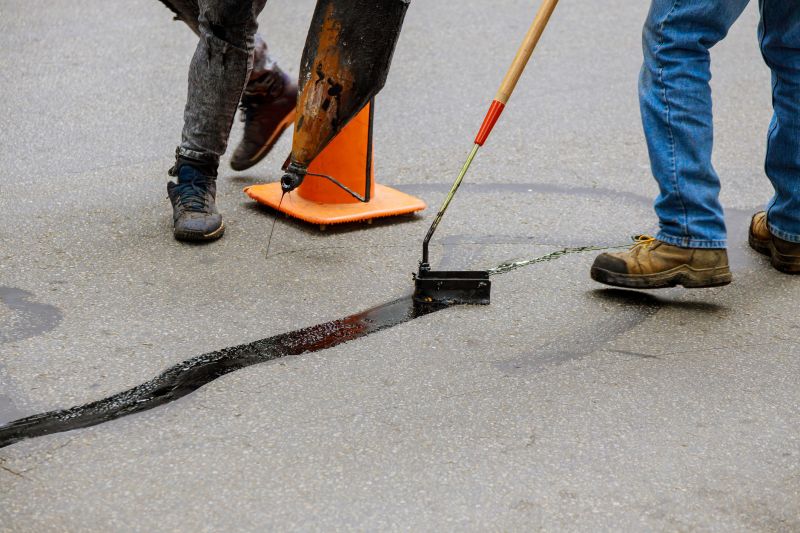
When evaluating commercial asphalt sealing services, it is important to consider the experience of local contractors with similar projects, especially those conducted under varying weather conditions. A contractor’s familiarity with how different weather patterns can influence sealing results ensures they understand the nuances of timing and application techniques necessary for optimal outcomes. Asking about past projects that faced weather-related challenges can provide insight into their ability to adapt and deliver consistent results despite environmental factors.
Clear written expectations are essential when comparing service providers. A reputable local contractor should be able to outline how weather conditions might impact the sealing process and the expected results. This includes discussing how temperature, humidity, and precipitation can affect drying times and adhesion. Having these details in writing helps ensure there is a shared understanding of the scope of work, potential weather-related limitations, and the steps the contractor will take to mitigate weather impacts during the project.
Reputable references and good communication are key indicators of a reliable service provider. When seeking local pros, it is helpful to inquire about references from previous clients who had similar projects affected by weather conditions. This can reveal how well the contractor manages weather-related challenges and maintains clear communication throughout the process. Effective communication ensures that homeowners are kept informed about weather forecasts, project adjustments, and any potential delays, which is crucial for achieving the best possible sealing results despite weather variability.
Property owners often search for how weather conditions affect commercial asphalt sealing results when they are planning practical projects around their homes and businesses. Local pros provide Commercial Asphalt Sealing services for everyday jobs and straightforward project options.
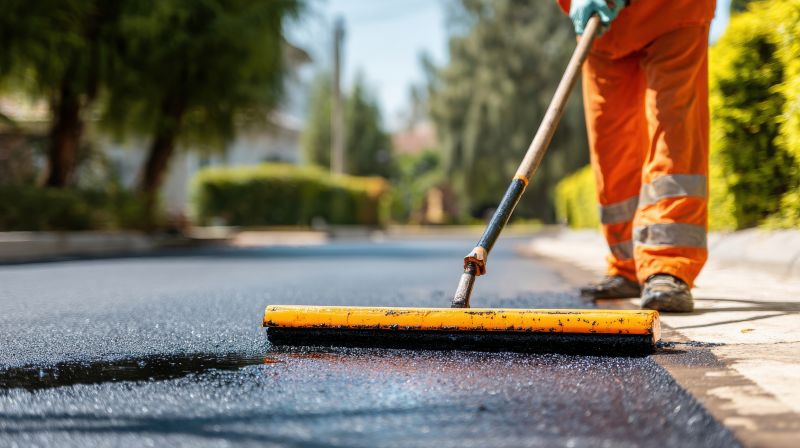
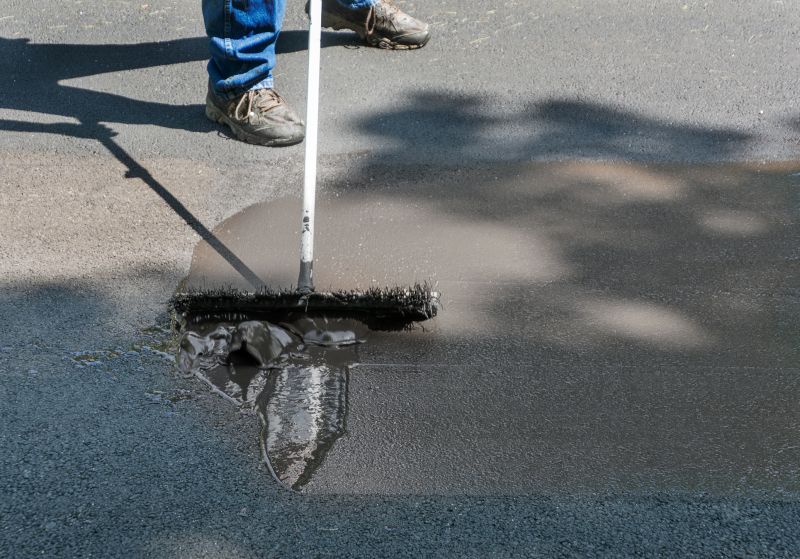
Weather conditions play a significant role in the success of commercial asphalt sealing projects. For property owners in the area, understanding how factors like temperature, humidity, and precipitation can impact sealing results is important when planning these services. Hot or humid days may cause the sealant to dry too quickly or unevenly, leading to less durable finishes, while rain or moisture can prevent proper adhesion and curing. Local contractors often monitor weather patterns closely to schedule sealing at optimal times, ensuring the best possible outcome for parking lots, driveways, and other asphalt surfaces.
In everyday project situations, unpredictable weather can cause delays or affect the quality of the sealing job. Property owners might wonder why a sealing project was postponed or why the results seem uneven after completion. Experienced service providers in the area understand how weather conditions influence the sealing process and can advise on the best times to proceed. They can also implement techniques to mitigate weather-related issues, helping to protect the asphalt and extend its lifespan. Connecting with local contractors who are familiar with the area's climate can make a noticeable difference in achieving long-lasting, professional sealing results.
How do temperature fluctuations impact asphalt sealing results? Significant temperature changes can affect how well asphalt sealer adheres and cures, making it important for local contractors to choose optimal weather conditions for sealing projects.
Can rain interfere with asphalt sealing applications? Yes, rain can wash away or dilute the sealer before it properly sets, potentially leading to uneven or ineffective results when local service providers perform sealing.
Why is it important to avoid sealing during high humidity? High humidity can slow down the curing process and cause the sealer to take longer to dry, which may impact the durability of the seal when local pros carry out the work.
How does wind affect the asphalt sealing process? Strong winds can cause debris to settle on the wet sealer or cause it to dry unevenly, which is why local contractors often monitor weather conditions to ensure proper application.
What weather conditions are ideal for commercial asphalt sealing? Clear, dry days with moderate temperatures are generally best, as they help ensure proper curing and long-lasting results when local service providers perform sealing.
Optimal weather conditions for sealing - scheduling sealing projects during mild, dry periods helps ensure proper curing and adhesion of asphalt sealers.
Monitoring forecast impacts - understanding upcoming weather patterns allows property owners to plan sealing services with local contractors when conditions are ideal.
Temperature considerations - working with local pros to choose the right time of day for sealing can prevent issues caused by extreme heat or cold.
Rain and moisture effects - avoiding sealing during or immediately after rain ensures the sealer bonds correctly and extends the lifespan of the asphalt.
If you are thinking about how weather conditions affect commercial asphalt sealing results for a property, this guide is meant to help you understand this topic, the typical project types, and how different options might fit your plans.
When you are ready, you can use the quote form on this page to share a few details about your project. From there, local pros can review the basics and follow up with options that match what you have in mind.